The digital transformation projects implemented across Tarsus University campus areas to deliver academic and administrative services in a faster, more secure, sustainable, and accessible manner are summarized below.
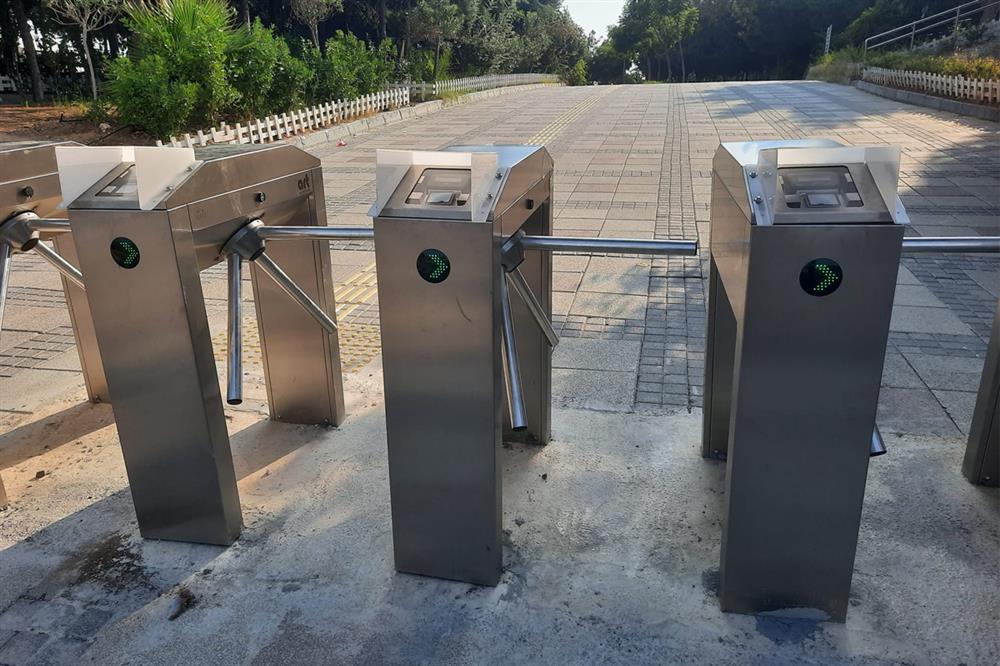
Authorized access is provided at our university's main campus entrances and dining hall turnstiles via dynamic, personalized QR codes generated through the Mobile Application or the E-Campus Information Management System.
Physical card issuance for our students has been discontinued, eliminating disruptions caused by forgotten cards and enabling fast, contactless access at turnstiles.
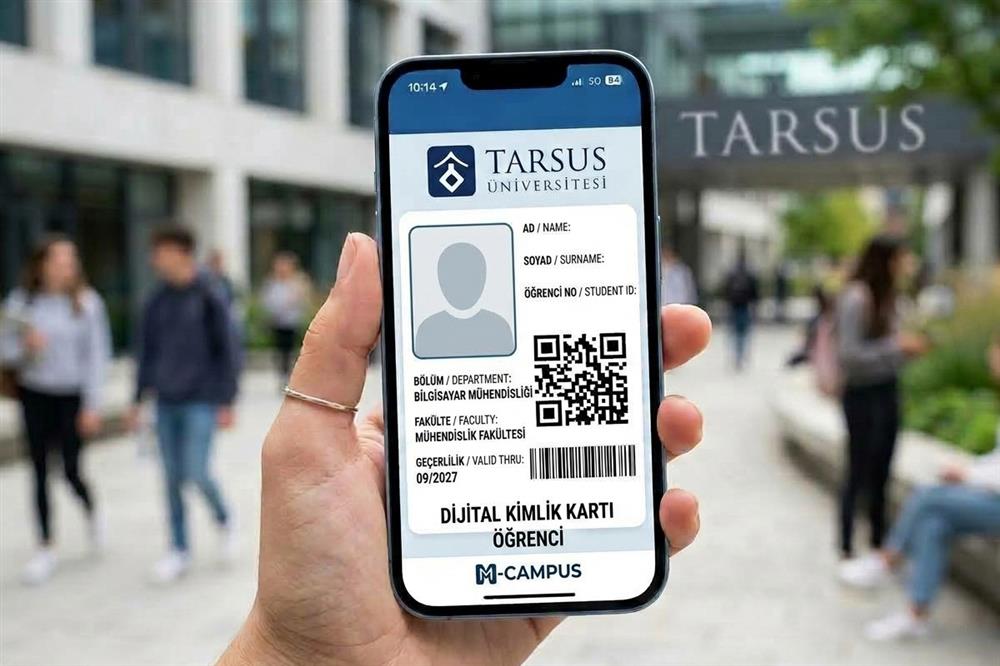
For the new academic year, an approved and secure Digital ID Card accessible directly via the Student Information System (SIS) has been issued to our students.
Physical plastic card printing for students has been discontinued to optimize resource efficiency, seamlessly transitioning identity verification processes into a digital environment.
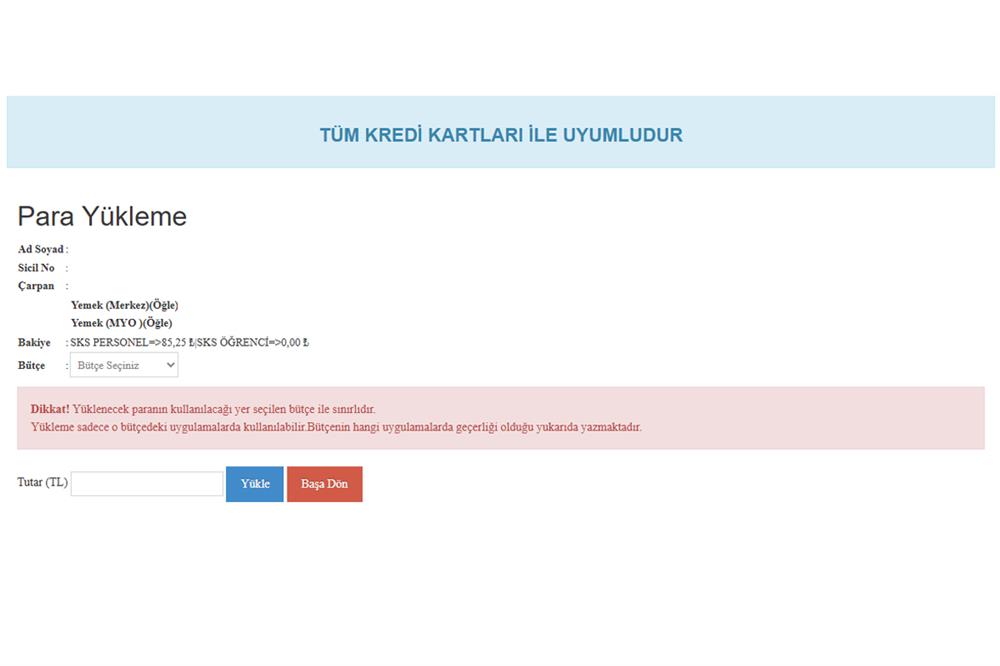
Our staff and students can now top up their balance online using credit or debit cards for use within the Dining Hall and Campus Life Services System.
Financial transactions across dining and social facilities have been digitized, simplifying real-time reporting and payment tracking processes for administrative units.
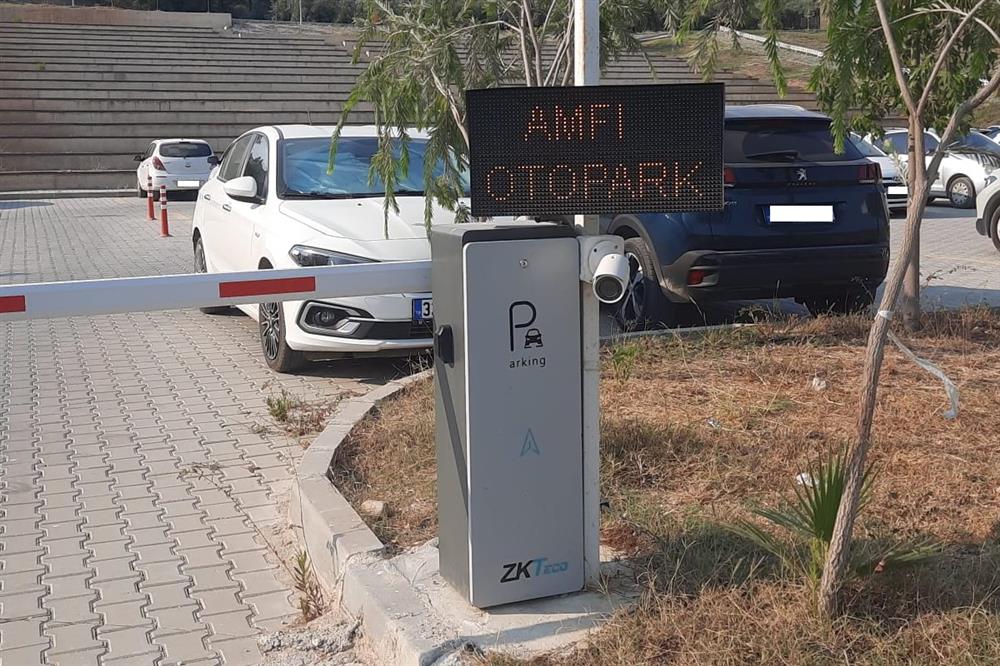
An Automatic License Plate Recognition System along with integrated digital LED information displays has been commissioned at the Amphitheater Parking Lot, Rectorate Parking Lot, and campus vehicle access points.
Parking occupancy status can be viewed prior to entry, reducing driver search time and fuel consumption to lower carbon emissions (Currently operational only at the Amphitheater Parking Lot).
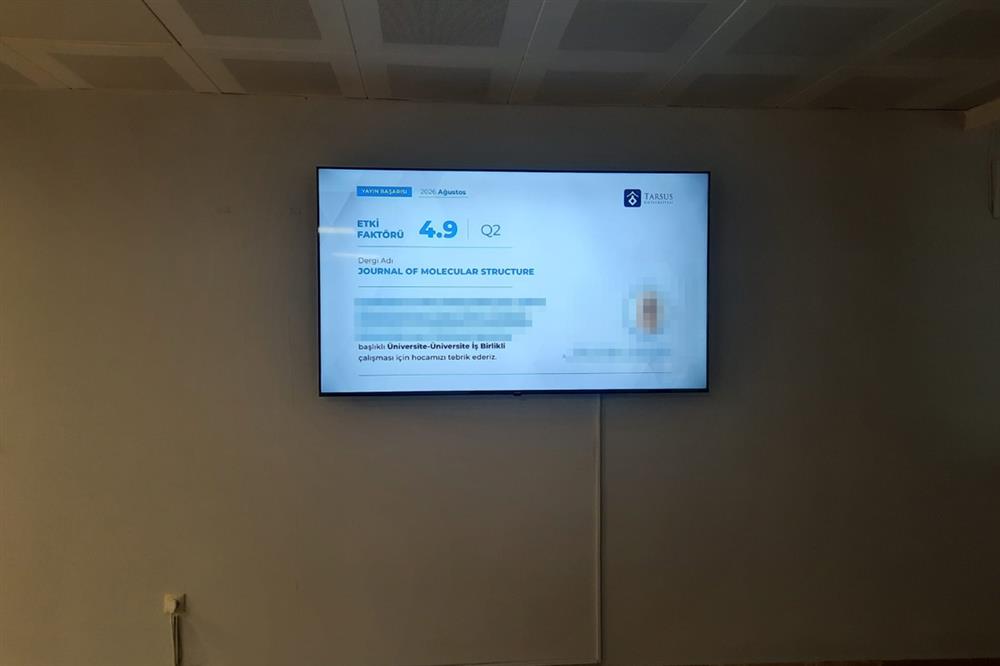
Corporate announcements, posters, and academic news are broadcast via digital information displays located in the Rectorate, Faculty of Engineering, and Library buildings.
Displays are remotely controlled over the local network and incorporate automated off-hour shutdown settings to ensure energy conservation.
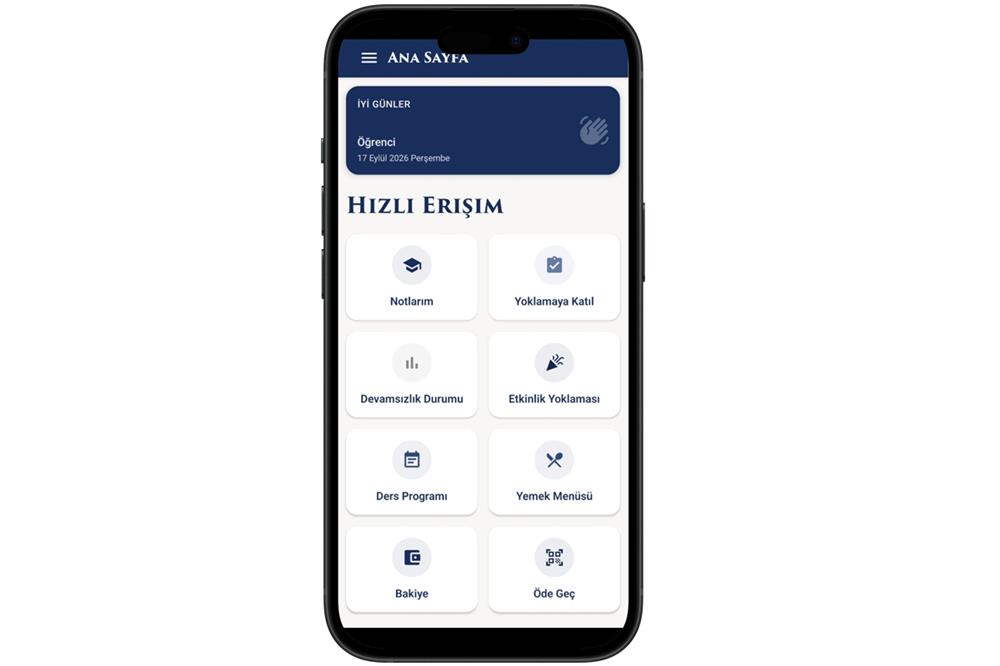
Through the Tarsus University Mobile Application, services such as digital attendance, course schedules, grades, Electronic Document Management System (EDMS) tracking, balance top-up, and QR access have been made more accessible.
Academic processes have been rendered instantly accessible via mobile devices, enhancing efficiency.
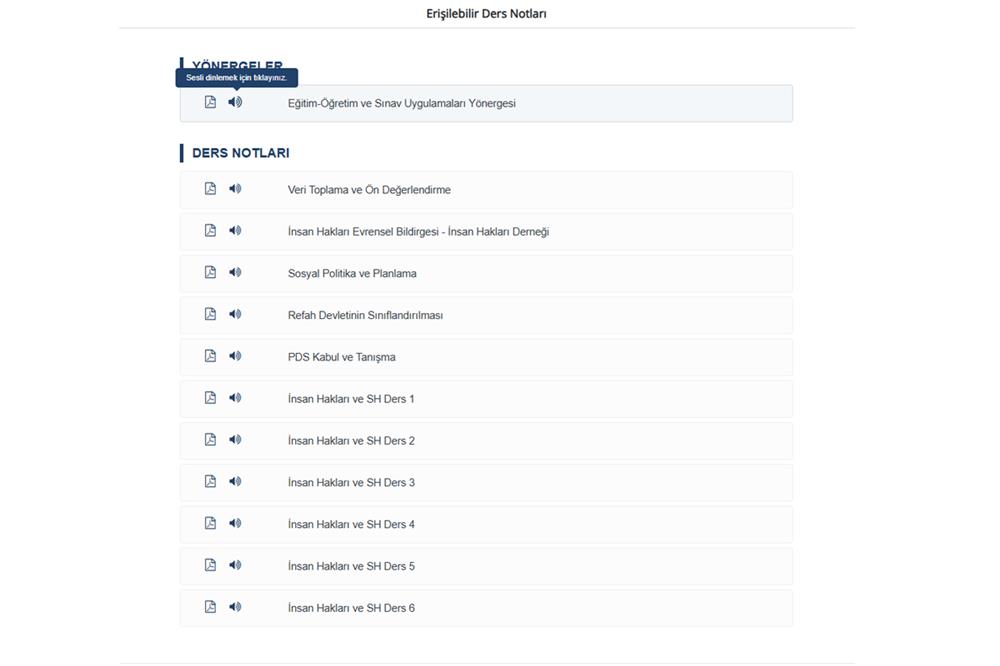
At the request of our Advisory and Coordination Unit for Students with Disabilities, an AI-powered text-to-speech PDF infrastructure has been integrated, and our web pages have been made compliant with international WCAG 2.2 standards.
In line with our "Barrier-Free Campus" vision, equal access to academic information resources and web pages has been ensured for our stakeholders with disabilities.